Undergrowth Removal in Houston, TX
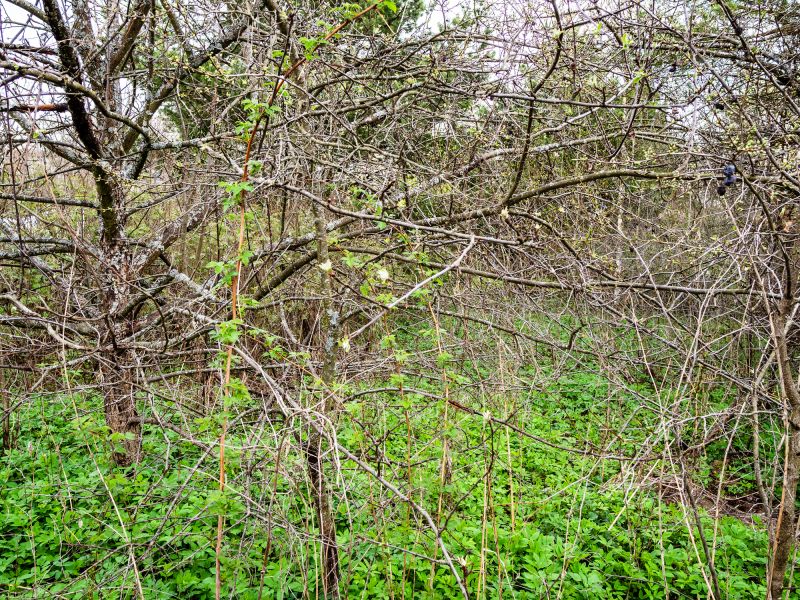
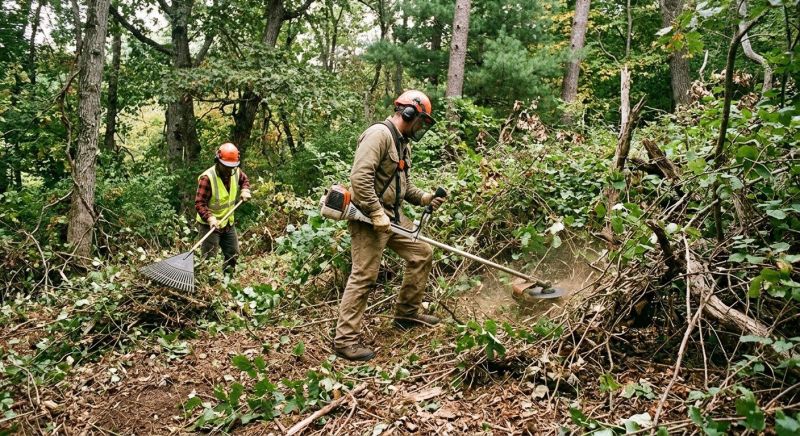
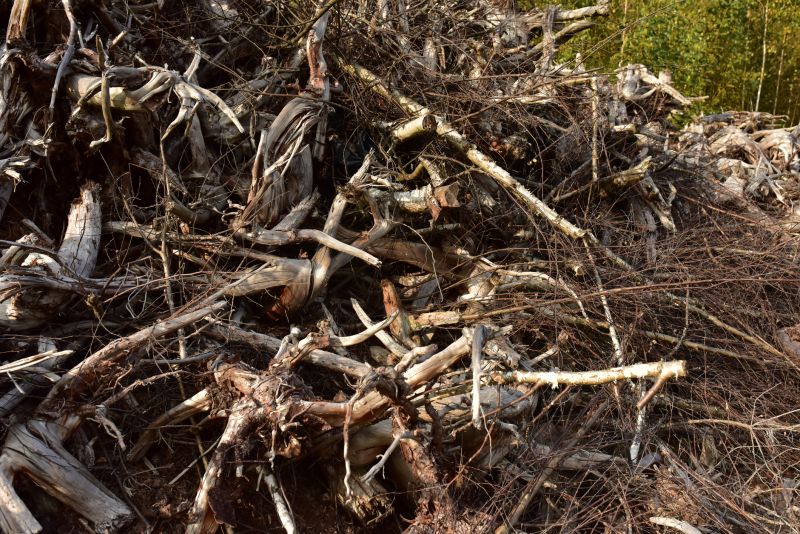
Undergrowth removal services focus on clearing dense, overgrown vegetation such as shrubs, bushes, vines, and small trees that can obstruct views, hinder property access, or contribute to pest issues. These projects often include thinning out thick underbrush, removing invasive plants, and creating a cleaner, more accessible landscape. Homeowners typically seek this service to improve curb appeal, maintain safety around their property, or prepare areas for landscaping or construction projects.
Before requesting undergrowth removal, property owners should consider the extent of overgrowth, the types of plants involved, and any existing landscaping plans. Understanding whether the work involves removing invasive species or hazardous plants can help determine the appropriate approach. Additionally, knowing the desired outcome-such as open spaces for recreation or improved visibility-can guide the scope of the project and ensure that the results align with property goals.
Many property owners in Houston, TX look into Undergrowth Removal for repairs, replacements, upgrades, and appearance-related improvements.
Benefits Of Undergrowth Removal
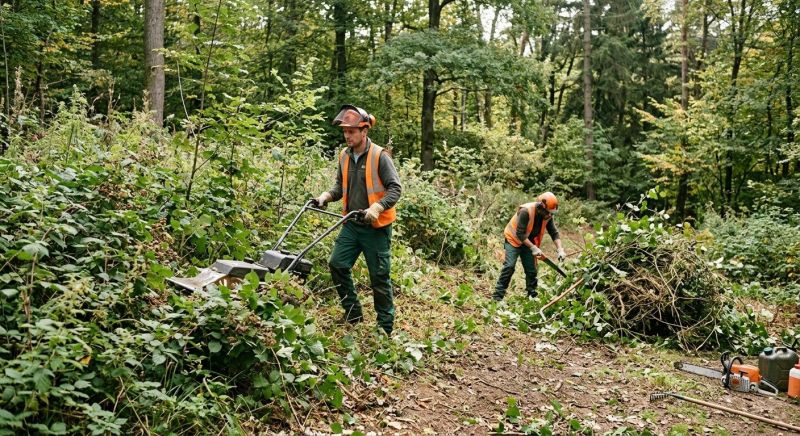
Removing overgrown vegetation can improve safety and enhance the appearance of your property.
Common Reasons For Removal
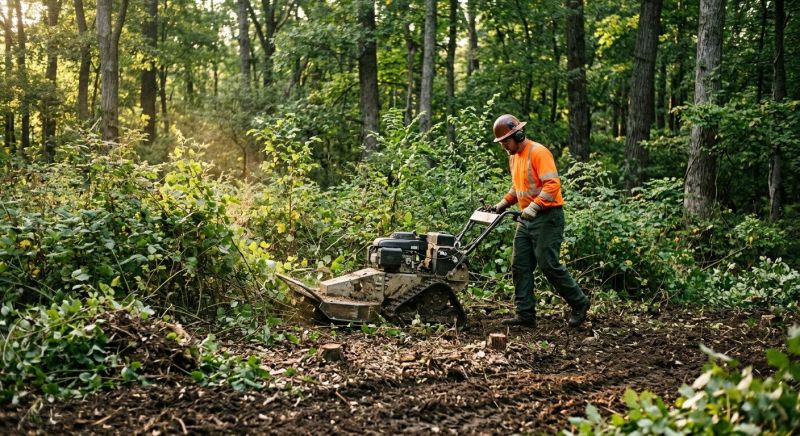
Homeowners often request undergrowth removal to prevent pest infestations and prepare for landscaping projects.

What To Expect During Service
Professionals will clear dense underbrush to create a clean, manageable space around your home or commercial property in houston, tx.
Undergrowth Removal in Houston, TX

Undergrowth removal services focus on clearing dense, overgrown vegetation such as shrubs, bushes, vines, and small trees that can obstruct views, hinder property access, or contribute to pest issues. These projects often include thinning out thick underbrush, removing invasive plants, and creating a cleaner, more accessible landscape. Homeowners typically seek this service to improve curb appeal, maintain safety around their property, or prepare areas for landscaping or construction projects.
Before requesting undergrowth removal, property owners should consider the extent of overgrowth, the types of plants involved, and any existing landscaping plans. Understanding whether the work involves removing invasive species or hazardous plants can help determine the appropriate approach. Additionally, knowing the desired outcome-such as open spaces for recreation or improved visibility-can guide the scope of the project and ensure that the results align with property goals.
Many property owners in Houston, TX look into Undergrowth Removal for repairs, replacements, upgrades, and appearance-related improvements.
Common Undergrowth Removal Jobs
Undergrowth Removal Services - clearing overgrown plants and shrubs to improve landscape appearance.
Vegetation Control - trimming and removing dense underbrush that can hinder property access.
Brush Clearing - removing thick brush to prevent pest habitats and enhance safety.
Overgrowth Management - controlling invasive plants to protect native landscaping.
Yard Clearing - removing unwanted undergrowth to prepare for gardening or landscaping projects.
Property Maintenance - maintaining a tidy and accessible yard by managing excessive undergrowth.
Undergrowth Removal Questions
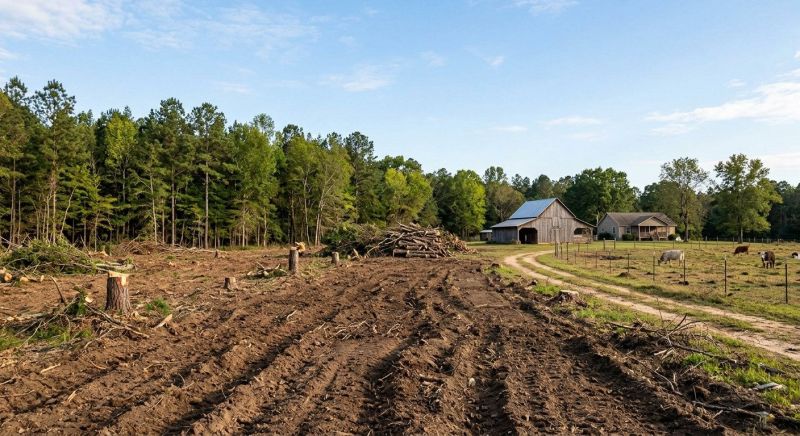
What is undergrowth removal? Undergrowth removal involves clearing dense plants, shrubs, and small trees to improve yard appearance and accessibility.
When should property owners consider undergrowth removal? It is useful when overgrown areas obstruct views, hinder maintenance, or pose fire risks.
What types of projects typically require undergrowth removal? Common projects include clearing pathways, preparing land for landscaping, or reducing fire hazards in brushy areas.
How does undergrowth removal benefit property maintenance? It helps prevent pests, reduces fire risks, and keeps outdoor spaces safe and tidy.
Request Undergrowth Removal in Houston, TX
Use the quote form on this page to share the basics of your project and request more information for the type of work you need.