Undergrowth Removal in Atlanta, GA
Undergrowth removal services focus on clearing dense, overgrown vegetation such as shrubs, bushes, and small trees that can obstruct views, hinder lawn maintenance, or pose safety concerns on residential properties. This type of work is often requested for projects like preparing a yard for landscaping, removing invasive plants, or creating clear pathways and open spaces. Property owners typically want to understand the scope of the removal, including what types of plants and debris will be cleared, as well as any potential impact on existing landscaping or trees.
Before requesting undergrowth removal, homeowners should consider the extent of overgrowth, the types of plants involved, and any specific areas they want to be targeted. It’s also helpful to clarify whether the goal is to completely remove the vegetation or simply trim and manage it. Understanding these details can ensure the service aligns with property maintenance goals and helps avoid unexpected results.
Many property owners in Atlanta, GA look into Undergrowth Removal for repairs, replacements, upgrades, and appearance-related improvements.
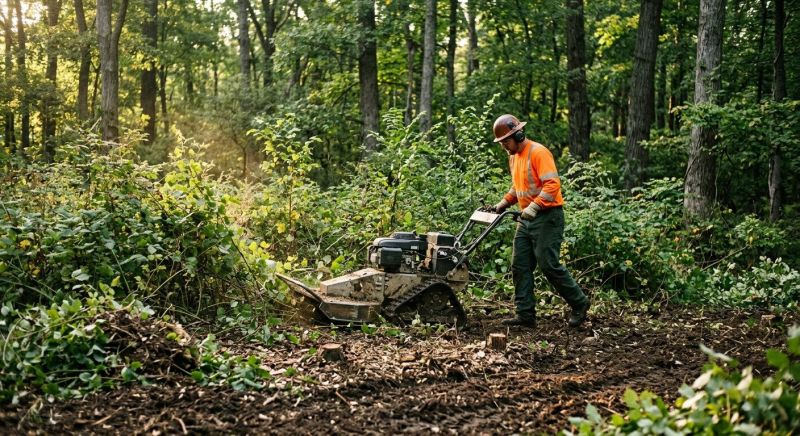
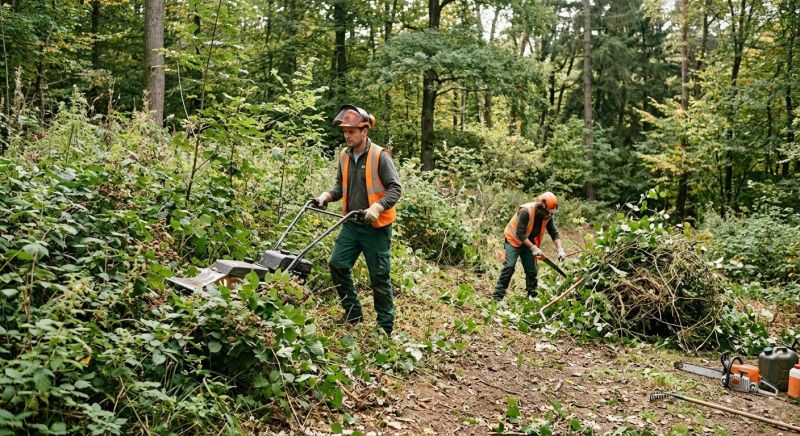
Clearing Overgrown Areas
Undergrowth removal helps restore open spaces and improves property aesthetics.
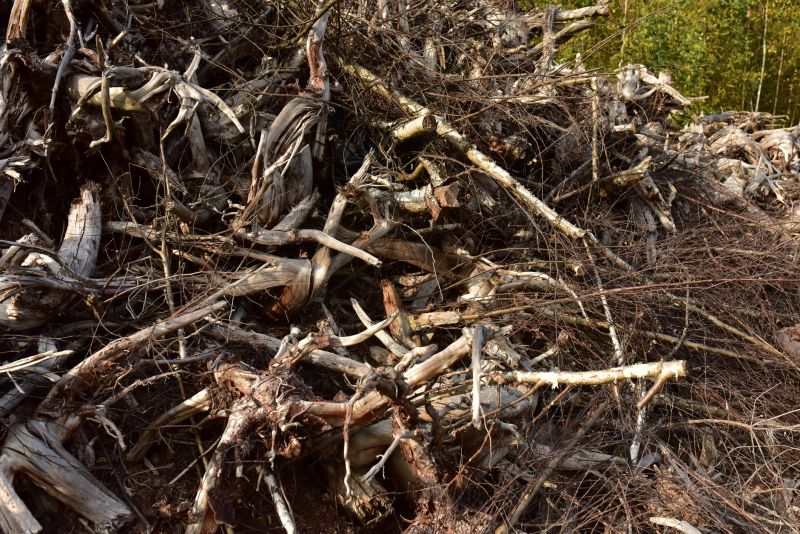
Preventing Pest Habitats
Removing thick underbrush reduces hiding spots for pests like rodents and insects.
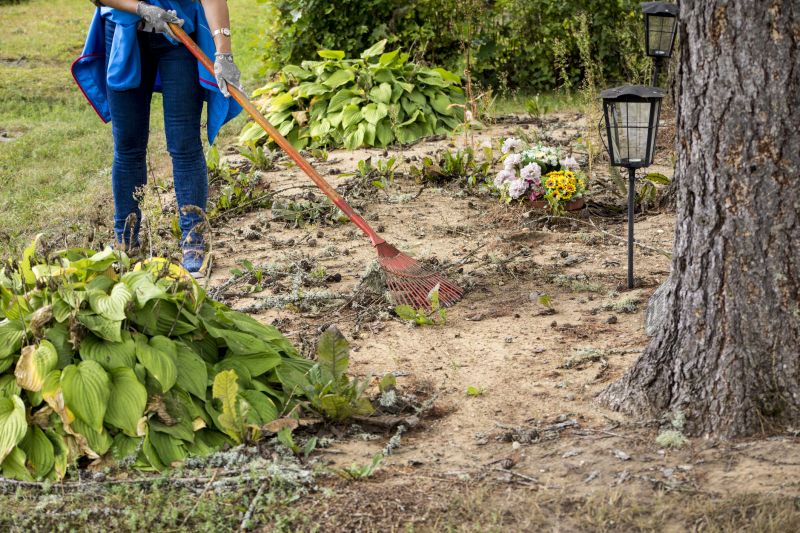
Enhancing Safety And Accessibility
Clearing undergrowth makes pathways safer and easier to navigate around your property.
Undergrowth Removal in Atlanta, GA
Undergrowth removal services focus on clearing dense, overgrown vegetation such as shrubs, bushes, and small trees that can obstruct views, hinder lawn maintenance, or pose safety concerns on residential properties. This type of work is often requested for projects like preparing a yard for landscaping, removing invasive plants, or creating clear pathways and open spaces. Property owners typically want to understand the scope of the removal, including what types of plants and debris will be cleared, as well as any potential impact on existing landscaping or trees.
Before requesting undergrowth removal, homeowners should consider the extent of overgrowth, the types of plants involved, and any specific areas they want to be targeted. It’s also helpful to clarify whether the goal is to completely remove the vegetation or simply trim and manage it. Understanding these details can ensure the service aligns with property maintenance goals and helps avoid unexpected results.
Many property owners in Atlanta, GA look into Undergrowth Removal for repairs, replacements, upgrades, and appearance-related improvements.
Common Undergrowth Removal Jobs
Underbrush Clearing - removing dense vegetation to improve yard visibility and accessibility.
Overgrowth Removal - trimming back excessive plant growth to prevent pest habitats and property damage.
Brush and Shrub Removal - clearing out overgrown shrubs and bushes to enhance landscape appearance.
Dead Plant Removal - removing dead or decaying plants to promote healthier garden conditions.
Pathway Clearing - removing overgrown plants along walkways to ensure safe passage.
Yard Thinning - reducing thick undergrowth to improve airflow and reduce fire risk.
Undergrowth Removal Questions
What is undergrowth removal? Understory removal involves clearing shrubs, small trees, and dense vegetation to improve landscape appearance and accessibility.
When should property owners consider undergrowth removal? It is typically needed when overgrown areas hinder maintenance, reduce visibility, or pose fire hazards.
What types of projects benefit from undergrowth removal? Projects include clearing backyard overgrowth, managing brush around properties, and preparing land for landscaping or development.
What should property owners know about the process? The process involves safely trimming or removing dense vegetation to enhance safety and aesthetics without damaging existing trees or structures.
Request Undergrowth Removal in Atlanta, GA
Use the quote form on this page to share the basics of your project and request more information for the type of work you need.