Crawlspace Excavation in Atlanta, GA
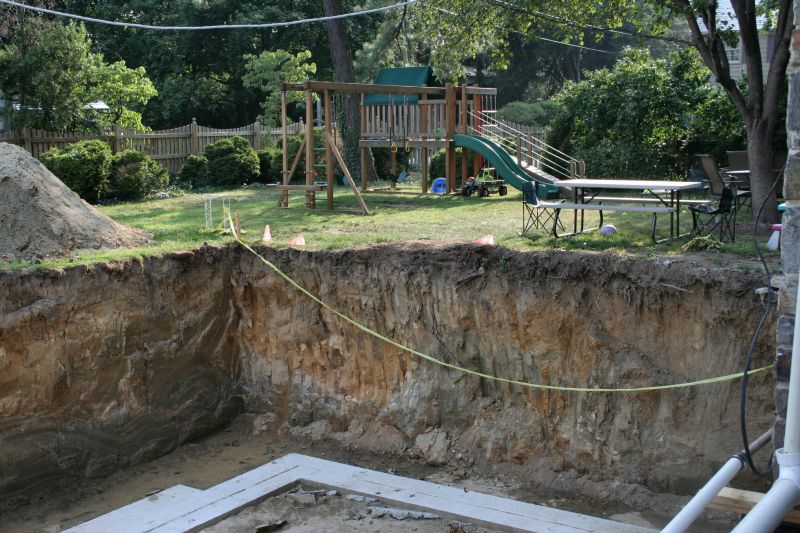
Crawlspace excavation services involve carefully removing soil, debris, or unwanted materials from beneath a property to create a clean, accessible space. This process is often necessary for projects such as foundation repairs, moisture control, or preparing for insulation and drainage improvements. Property owners typically request crawlspace excavation when addressing issues like persistent dampness, mold growth, pest infestations, or structural concerns that require a clear and stable foundation area.
Homeowners should understand the scope of the excavation work, including the extent of soil removal and any potential impacts on the property's foundation. It's important to consider factors such as proper drainage, ventilation, and moisture management after excavation. Clarifying these details beforehand can help ensure the project meets specific needs and results in a safer, more functional crawlspace environment.
Many property owners in Atlanta, GA look into Crawlspace Excavation for repairs, replacements, upgrades, and appearance-related improvements.
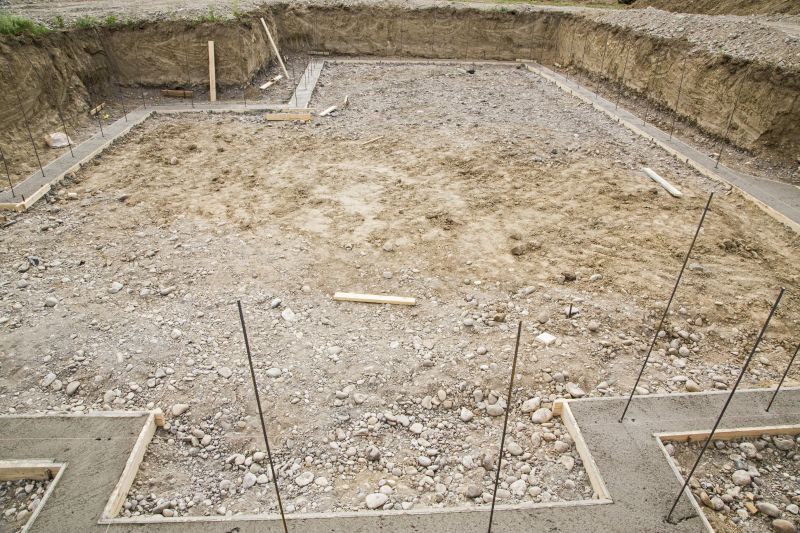
Foundation And Structural Support
Crawlspace excavation helps improve the stability of your home's foundation in atlanta and nearby areas.
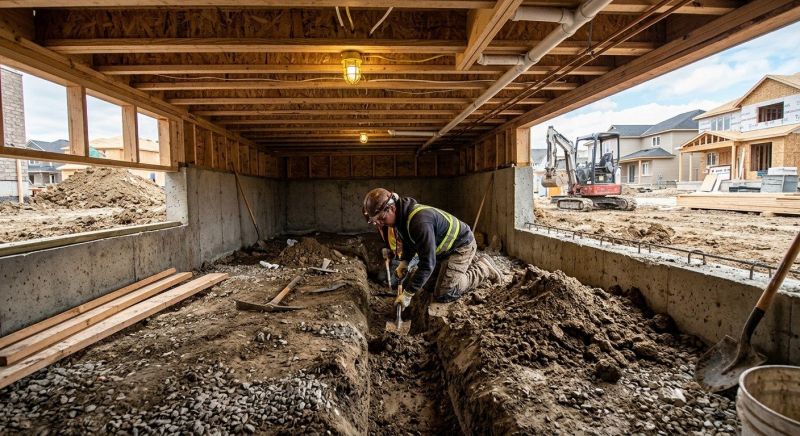
Moisture And Drainage Solutions
Proper excavation allows for better moisture control and prevents water damage in crawlspaces.
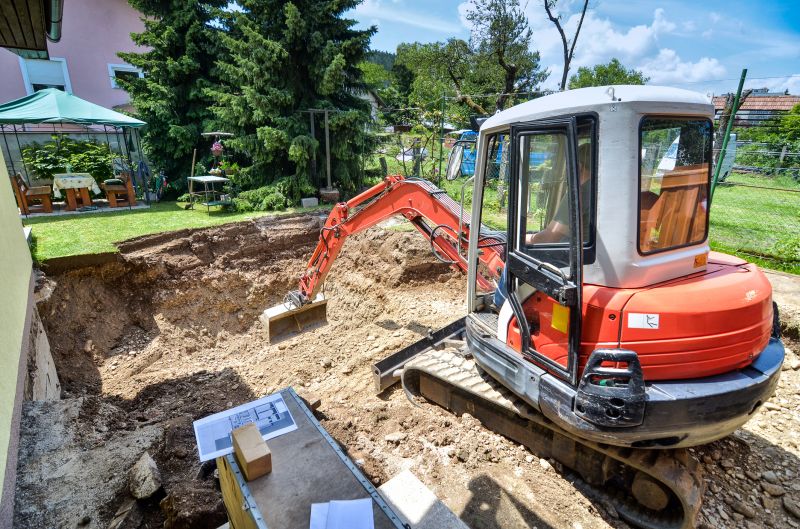
Pest Prevention And Air Quality
Clearing out crawlspaces reduces pests and enhances indoor air quality for atlanta homeowners.
Crawlspace Excavation in Atlanta, GA

Crawlspace excavation services involve carefully removing soil, debris, or unwanted materials from beneath a property to create a clean, accessible space. This process is often necessary for projects such as foundation repairs, moisture control, or preparing for insulation and drainage improvements. Property owners typically request crawlspace excavation when addressing issues like persistent dampness, mold growth, pest infestations, or structural concerns that require a clear and stable foundation area.
Homeowners should understand the scope of the excavation work, including the extent of soil removal and any potential impacts on the property's foundation. It's important to consider factors such as proper drainage, ventilation, and moisture management after excavation. Clarifying these details beforehand can help ensure the project meets specific needs and results in a safer, more functional crawlspace environment.
Many property owners in Atlanta, GA look into Crawlspace Excavation for repairs, replacements, upgrades, and appearance-related improvements.
Common Crawlspace Excavation Jobs
Foundation Repair - excavating crawlspaces to address foundation issues and prevent further settling.
Moisture Management - removing excess moisture to reduce mold growth and improve indoor air quality.
Pest Prevention - creating a clean, dry environment that discourages pests and rodents from nesting.
Insulation Installation - improving energy efficiency by adding or replacing crawlspace insulation.
Structural Support - reinforcing beams and supports to ensure crawlspace stability and safety.
Water Drainage Solutions - installing drainage systems to divert water away from the crawlspace area.
Crawlspace Excavation Questions
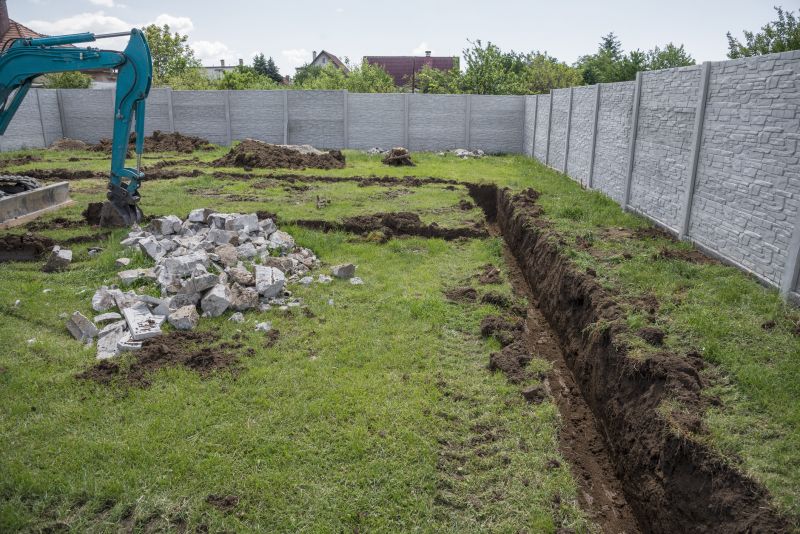
What is crawlspace excavation used for? It is performed to remove debris, moisture, or damaged materials, improving structural stability and preventing issues like mold or pests.
When should a homeowner consider crawlspace excavation? When there are signs of water intrusion, mold growth, or foundation concerns, excavation can help address underlying problems.
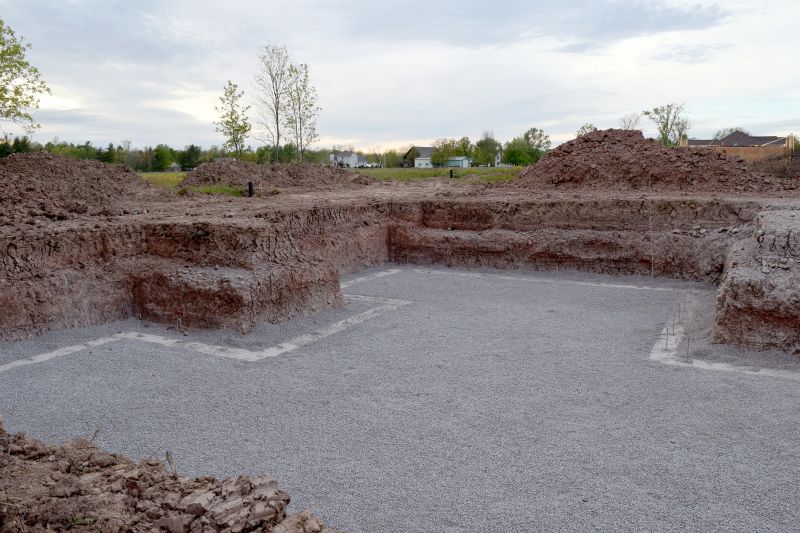
Does crawlspace excavation involve removing entire floors? No, it typically involves digging out or opening sections of the crawlspace to access and improve the area underneath the building.
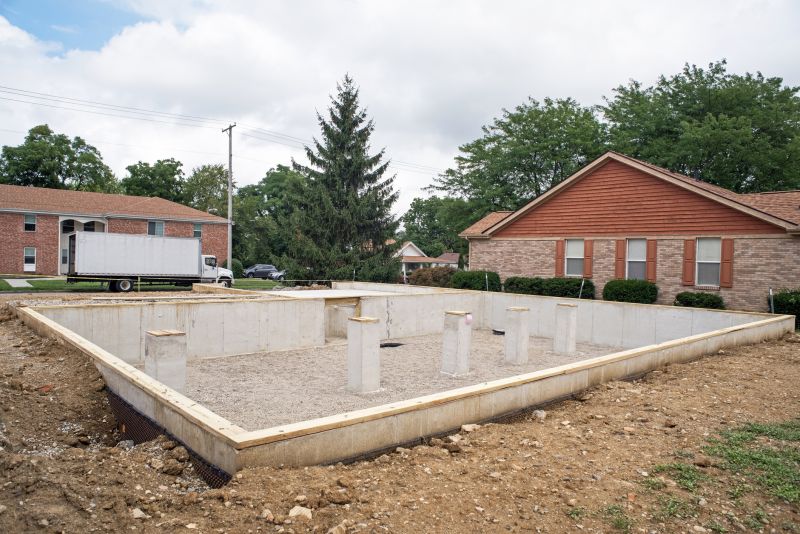
What are common projects involving crawlspace excavation? Projects include moisture control, foundation repair, and preparing the space for insulation or vapor barriers.
Request Crawlspace Excavation in Atlanta, GA
Use the quote form on this page to share the basics of your project and request more information for the type of work you need.